School and university cleaning: term-time versus holiday programs
Term-time cleaning is toilets, traffic and child safety. Holiday programs are strip-and-seal, labs and the work you cannot do while a school is full. Universities add 24-hour libraries and a graffiti problem that does not wait for the holidays.
By Ellen Marks · Sector correspondent · 29 April 2025 · Updated 28 February 2026
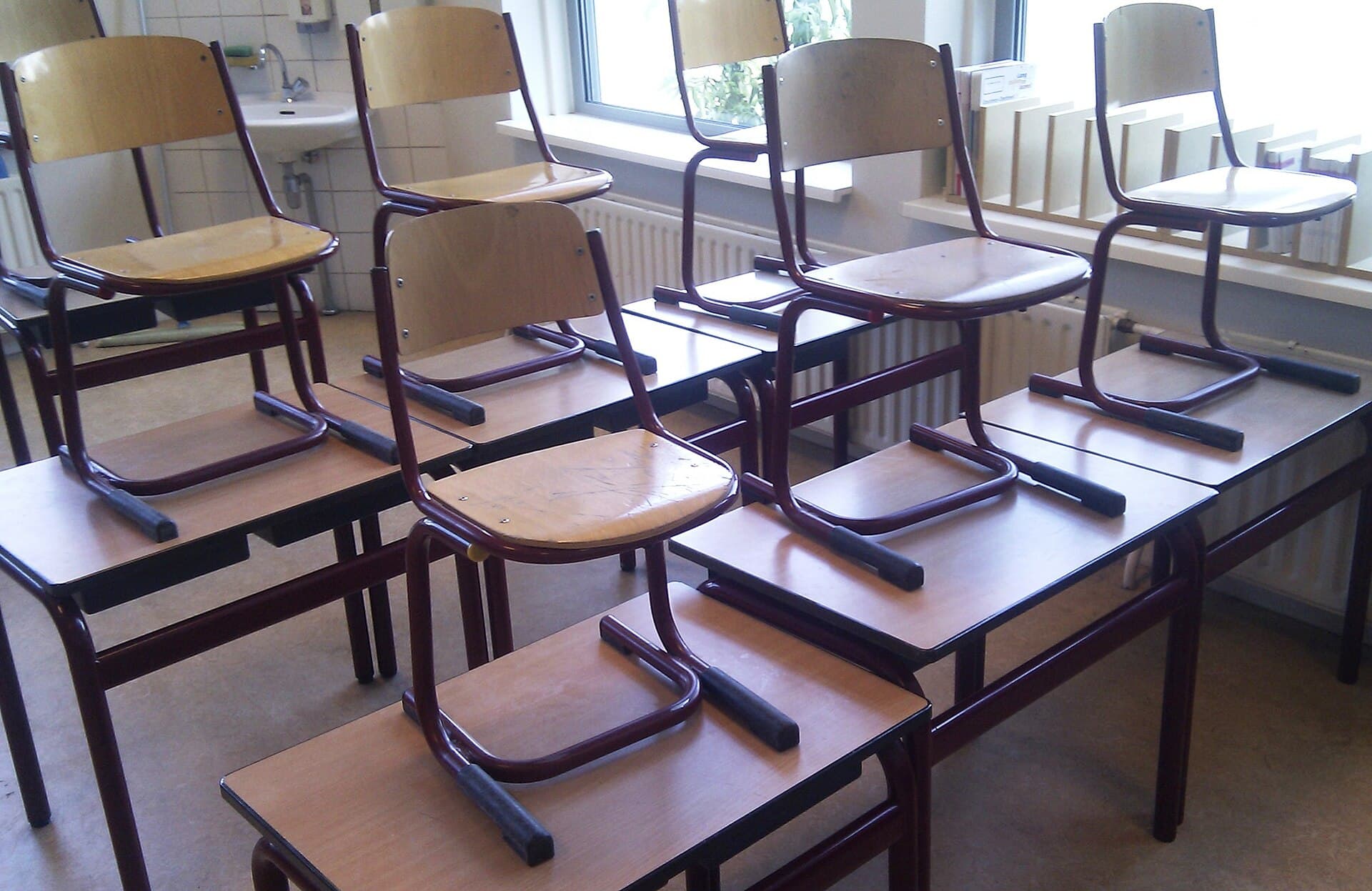
A school in term is a building full of children, bags and toilets that peak four times a day. The same school in the holidays is a worksite: empty classrooms, a gym that can finally be machine-scrubbed, and a crew that has been asked to “do the floors” with whatever labour is left after leave. Universities stretch both ideas. Teaching spaces still have a semester rhythm. Libraries, labs and residences do not.
This sits in the sector guides because education is not an office with a bell. It is also not an early learning centre, even when a primary school has a preschool on the same fence line. The age of the occupants, the legal checks on the workers, and the holiday window are the three facts a specification has to survive. Commercial Cleaners is not a contractor and not a school authority.
Child safety is a site rule, not a footnote on the induction
In every Australian state and territory, people who work in schools need a child-safety clearance. The name changes: Working with Children Check in New South Wales, Victoria and Western Australia; Blue Card in Queensland; Working with Vulnerable People registration in the ACT and Tasmania; Ochre Card in the Northern Territory; South Australia has its own screening. The school or university decides who may be on the grounds. The cleaning employer still has to put a cleared person on the roster.
A pending application is not a clearance. A card from another state is not automatically accepted. Relief is where this fails: the person who knows the alarm is on leave; the person who is free has no check. If you have not planned for that, you will send an uncleared casual or skip the site. Both are failures. One is also unlawful.
Write the rule in the specification and in the induction. No card, no site. Toilets, change rooms and after-school care are not places to invent supervision. The same discipline belongs in training and induction for commercial cleaners: the walk includes the child-safety rule, the sign-in, and who they call if a student is still in the block at 4:30pm. A campus is mixed — children on open days, in clinics, in sports schools — so do not assume a lecture theatre is a hotel corridor.
Term-time is toilets, traffic and the rooms you can enter
Term-time cleaning is a people program. The soil is bags, mud, food, toilets, and the classroom that was used for art on Friday afternoon. The constraint is occupation. You cannot machine a corridor at 10am. You can, and must, keep amenities usable.
Toilets at recess
School toilets fail in bursts. Recess and lunch empty a block in minutes. A night-only attend will reset it for 9am and leave it to the students for the rest of the day. Many schools therefore buy a short day presence timed around the breaks: replenish, spot-mop, clear a blockage they are competent to clear, report graffiti before the next break copies it. Do not ask a single cleaner to deep-clean a block between bells. That is how you get a pine-scented wet floor and a slip. Staff toilets are a different room, often the only one a visitor will use.
Classrooms and specialist rooms
A classroom at 4pm is still a classroom. The honest night task is floors, bins, wet-area sinks, and the high-touch set you have actually named. Do not write “sanitise all student desks nightly” unless you have the minutes and a method that does not soak exercise books.
Specialist rooms need owners. Art and food-tech: the teacher’s leftover project is not a cleaning scope; the floor and the sink are. Sports change rooms are wet areas with a dignity problem, not corridors with benches. Music and drama need a rule about what must not be moved. The staff-room microwave will tell you the truth about the contract, same as anywhere else.
Science labs
A school science lab is a hazardous-chemical workplace that also has Year 8 in it. The cleaner’s job is environmental: floors, authorised sinks, benches that have been cleared, bins. It is not the chemical store, the fume cupboard, a reagent spill, or a bench that still has class sets on it.
Induction for a lab is a walk with the science head or the technician, not a PDF. Show the boundary, the spill kit that is not theirs, and where a worn-label bottle goes — nowhere, except a report. The hazardous chemicals and SDS rules apply to the cleaner’s own products and to the fact they work next to someone else’s. University research space may be out of scope entirely. If it is in scope, it is a named method and a named escort, not a key on a large bunch.
Holiday programs are a different contract wearing the same logo
The holiday window is when the building can be treated as a floor, not as a timetable. It is also when the regular crew disappears. Schools that buy a cheap term-time rate and then expect a full strip-and-seal from the same hours in January will get a wash and a story. Write a holiday program as its own schedule.
Floors. Named by area, with a method that matches the finish. A vinyl corridor may want a holiday scrub and coat. A timber gym may already sit with a sports-floor specialist. A polished concrete library will not thank anyone for a stripper. “Do the floors in the holidays” is not a method.
High dust, glass, deep amenities. The work you cannot do while bags are on hooks: cupboard tops, a term of fingerprints, the cubicle that has been quietly failing since March.
Grounds and projects. Mud, sand, the covered way that is neither classroom nor oval. Cleaning around a holiday refit is a builders’ clean sitting on top of the program. Price the interface or exclude it.
Strip-and-seal has a romance in school facilities that the chemistry does not always share. It is heavy work, a chemical exposure, and easy to do badly. If the floor only needs soil removed and a maintainer reapplied, write that. If it needs a full strip, write the product, the slurry disposal, and the days the area stays closed. Holiday programs fail when someone starts a strip on the Thursday before staff return.
The labour problem is predictable. Relief staff meet a science block for the first time. Child-safety checks still apply if students are on site for sport, vacation care or music camps — and they often are. A “closed school” with vacation care in the hall is not closed.
Universities: semester is not a holiday, and the library does not close
A university campus is several sectors sharing a map. Teaching spaces have a semester peak and a quieter exam lull that is not a school holiday. Residences are hospitality. Clinics are clinics. Research is its own access world. One specification for “the university” will be cleaned as a corridor.
24-hour libraries are the honest hard case. People are there at 2am. Food is banned and present. A school-style night reset does not exist because there is no empty building. Zone it: amenities and entrance glass on a short loop; stacks in the hours they actually thin out; noisy machines in the hours the desk will tolerate, which may be never.
Lecture theatres can be done after the last class. Seat-back trays, the floor under the rake, and the sticky drink are the job. Write the frequency you will inspect, not a full vacuum of every tier every night if the minutes are not there. Student amenities at lunch behave like school toilets with more volume. Residences pick up the outbreak conversation that sits with hospitality, not with a classroom spec.
Graffiti on a campus is not a holiday job. It appears on a Friday night and teaches the next tagger if it is still there on Monday. Write a response time. Ordinary marker on paint is one job. Etched glass is damage. Hate graffiti is a security and student-services report, not only a wipe. The cleaner removes what they can and escalates what they cannot.
Inspection that respects the bell
Walk a school at the hour you are judging. A 9am walk after a night reset is a presentation inspection. A 2pm walk on a wet Wednesday is a day-program inspection. Do not fail the night crew for the lunch block unless the day attend was theirs.
Look at student toilets first, then a wet-area classroom, the staff room, and a lab door — and whether the cleaner can tell you the boundary. In holidays, look at the floor method and whether a strip was finished or abandoned. On a campus, add a library amenity at an odd hour and a wall that was tagged last week. Ask who is on the child-safety register for that afternoon. If the leading hand cannot answer, the program is a mop with a school logo on the trolley. Term-time keeps amenities usable. Holidays keep the building from falling over. If you only buy one of those, you will meet the other as a complaint.
Questions readers send us
- Can a cleaner start on a school site before their Working with Children Check is back?
- Not if the site rule, and usually the law in that state or territory, requires a clearance before unsupervised contact with children. A pending application is not a clearance. Put the person on a site that does not need the check, or wait. Do not invent a 'supervised only' workaround that nobody will supervise at 4pm in a toilet block.
- Should we strip and seal every holiday?
- No. Strip-and-seal is a periodic method for a floor that needs it, not a calendar ritual. Some vinyl will want a holiday restore. Some will only want a scrub and recoating. Some timber gyms have a sports-floor program that a school cleaner should not improvise. Write the floor, the method and the year, not 'holidays — floors'.
- Who cleans a university library that never closes?
- Whoever the specification names for a live room, on a method that works around people who are still there. You cannot run a school-holiday program at 2am in a 24-hour space and call it the same job. Zone the work, accept a lower intensity in occupied aisles, and put the noisy machines in the hours the library actually empties — if it ever does.
Continue in Sector guides
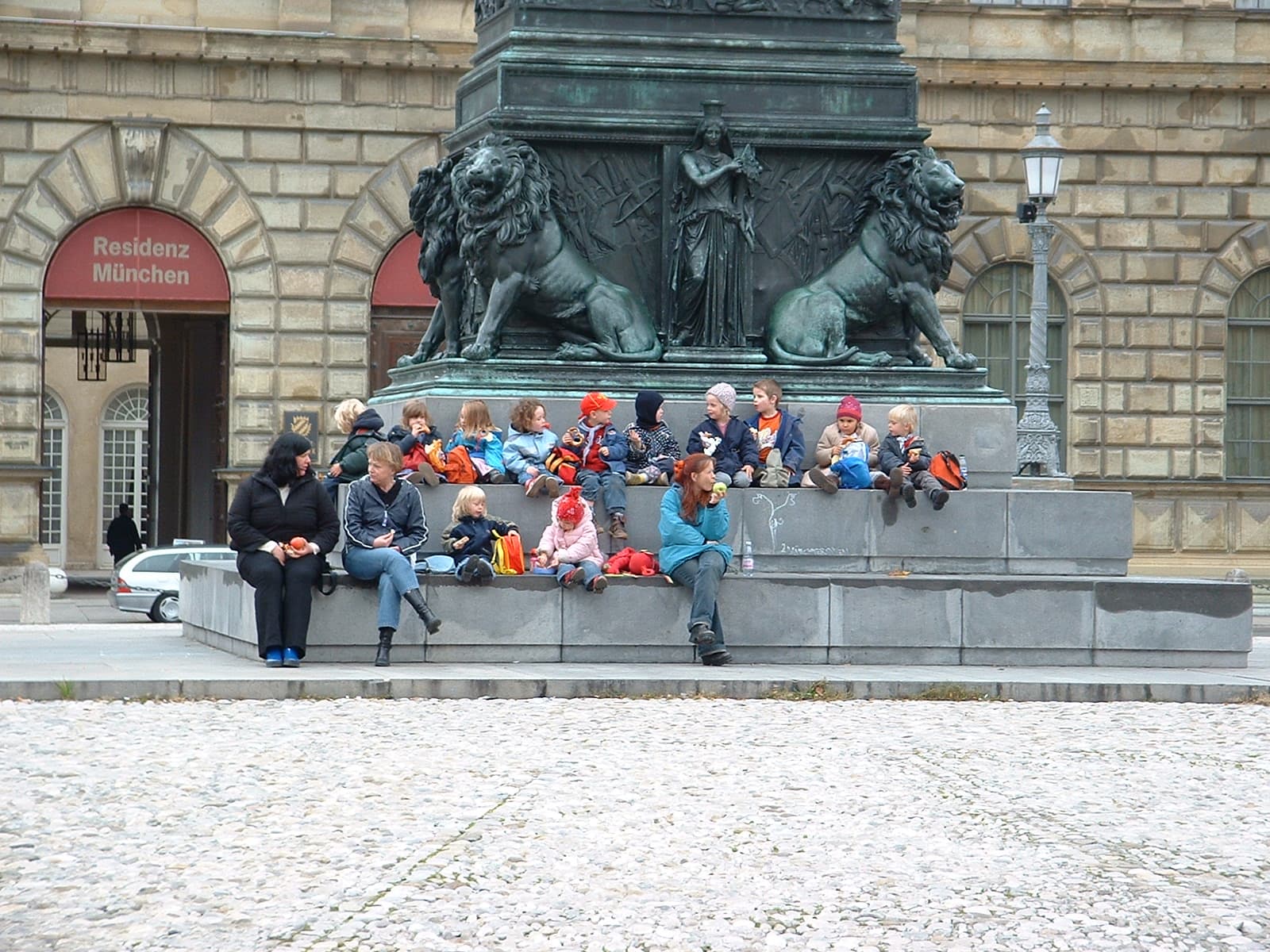
Cleaning an early learning centre without turning it into a hospital
National Regulations, toys, nappy change, sandpits and chemical choice around children. After-hours work does the floors; during-session work does the mess. Neither needs a hospital protocol copied onto a kindy trolley.
Ellen Marks · 16 September 2025
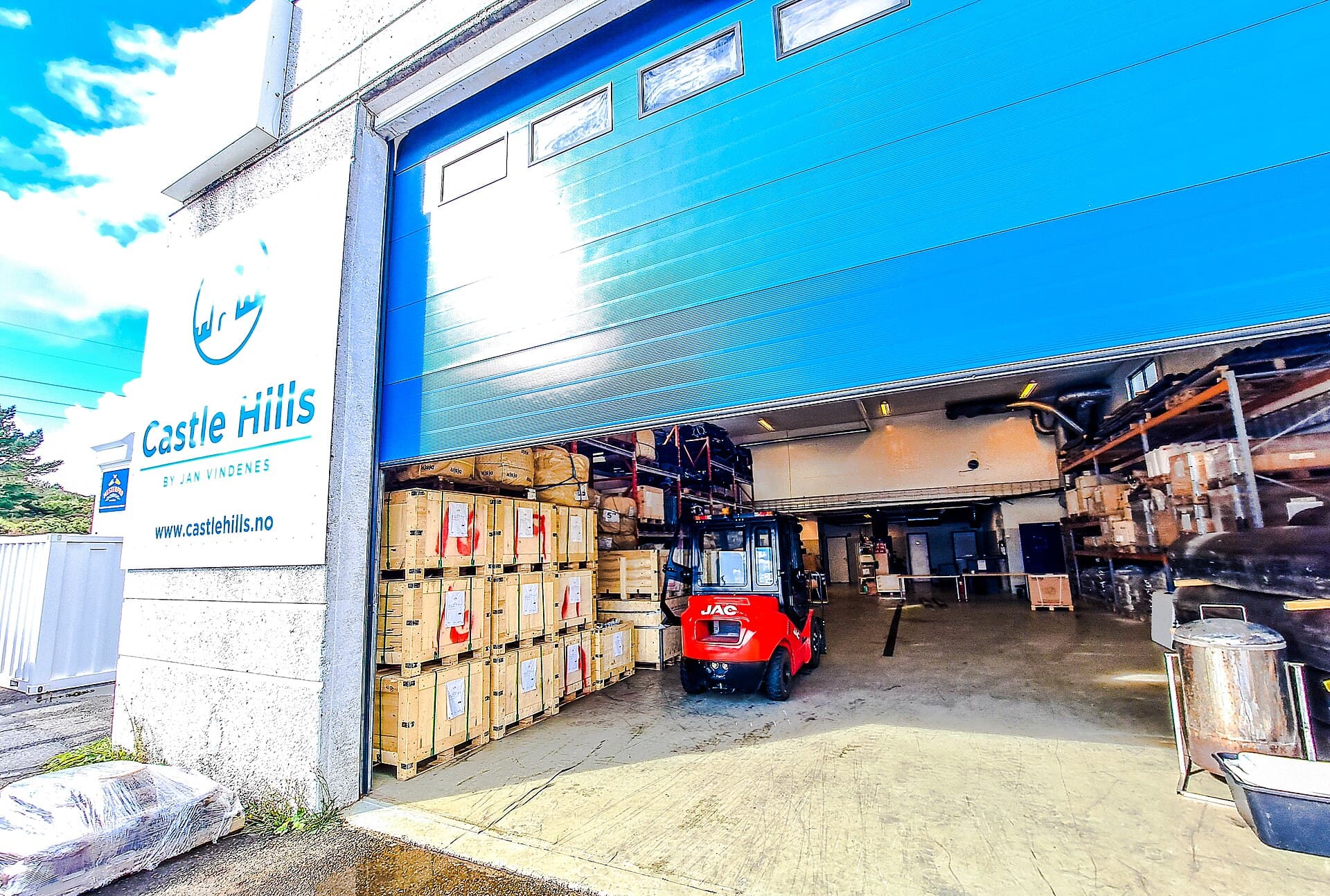
Warehouse and industrial floor care that lasts a forklift week
Concrete dust, oil, ride-on scrubbers, line marking and cold stores decide whether a warehouse floor lasts the week. Food-grade sites and 3PL sheds are not the same specification, even when the machine looks identical.
Ellen Marks · 5 August 2025
Hotel and hospitality back-of-house hygiene
Guests see rooms and a lobby. Councils, auditors and night auditors see kitchens, linen, grease and the dock. How hotel housekeeping and back-of-house cleaning actually split, and what an outbreak does to that split.
Ellen Marks · 17 June 2025