Hotel and hospitality back-of-house hygiene
Guests see rooms and a lobby. Councils, auditors and night auditors see kitchens, linen, grease and the dock. How hotel housekeeping and back-of-house cleaning actually split, and what an outbreak does to that split.
By Ellen Marks · Sector correspondent · 17 June 2025 · Updated 5 March 2026
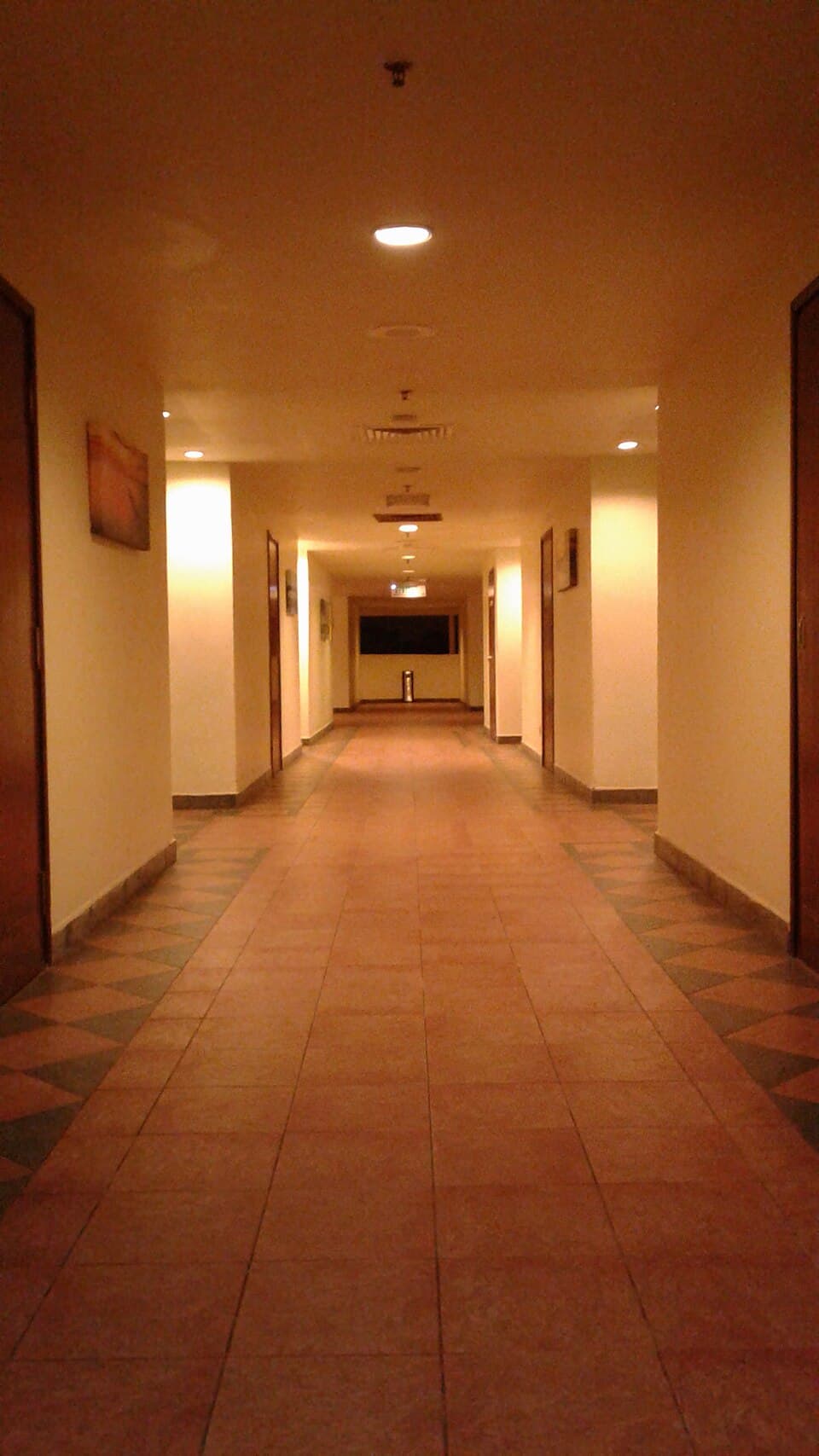
A hotel is sold from the corridor. The photograph is a turned-down bed. The hygiene problem is usually somewhere a guest is not invited: the pot-wash, the linen chute, the loading dock at 5am, the grease line behind a combi oven. Housekeeping can be excellent and the back-of-house can still fail a council officer in twenty minutes.
This is a sector guide for people who have to hold both ends of that building. Commercial Cleaners is not a hotel operator and not a contractor. Rooms and back-of-house are different soils. They need different cloths, different hours and a different person to call when something goes wrong at 2am.
Rooms are a guest standard; back-of-house is a food and staff standard
Guest rooms and front-of-house
These are judged by the next arrival. Bed, bathroom, glass, the corridor vacuum, the lift that smells of last night’s room service. A room attendant’s trolley is set up for linen, amenities and a bathroom method. It is not set up for a kitchen.
Back-of-house
This is everything an environmental health officer will ask to see. Kitchen and stewarding, staff canteen, linen room, laundry if you have one, chemical store, waste, loading dock, staff amenities. Some of that is food premises. Some of it is a warehouse with uniforms in it.
Write them as separate programs that share a building. A single “hotel cleaning” specification will be delivered as rooms, because rooms complain first. The dock does not leave a review. It leaves a grease stain and a pest sighting. Colour-coding is not optional. If two contractors share the hotel, the join is written on a plan: who wipes the pass, who mops the corridor outside the kitchen door, who owns the staff canteen after midnight.
Linen is a hygiene control, not only a count
Hotels run on linen. They also get into trouble with it. A used sheet is guest soil. A used food-service cloth is kitchen soil. A doona from a room where someone was ill is an exposure. Treating all of it as “dirty linen” in one cart is how you move a problem from a bathroom to a bed.
The ordinary cycle still needs the parts that fail written down. Used linen does not sit on the corridor carpet. Clean linen does not travel in the same hamper. A trolley is not a clean surface because it has a cloth on it.
Then write the exceptions. Gastro or an unspecified “unwell guest” is not a normal strip: bag it, label it, keep it out of the open cart, tell laundry. Pair the room method with the building’s outbreak procedure. Napkins, chef whites and bar towels are not bedroom sheets; they need their own stream. A needle in a bed is not a housekeeping extra — stop, isolate, call the named manager.
On-premise laundries need a dirty side and a clean side, dosing that matches the SDS, and a rule for when a machine is down. Off-site laundry is only as good as the bagging and the return. A clean-linen store on a dirty floor is a decorative room.
Grease, stewarding and the kitchen the guest never sees
Hotel food is a food business that happens to have bedrooms upstairs. The expectations are the ones in the Food Standards Code and the state or territory Food Act, not the brand standard for cushions. If you need the council’s eye rather than the brand’s, read food premises cleaning and what local councils look for.
Stewarding — pot-wash, dish machine, the floor under the tabling — is the hygiene engine. The machine needs to be actually clean, not only running: filters, curtains, the floor behind it, the drain. Overnight crews often inherit a kitchen that was still plating at 11pm. Write the handover: which benches are released, who does the floor when the last cook leaves.
Grease is a building system, not a smell. A cleaner can degrease what they can reach. They cannot make a canopy schedule exist by wiping stainless that faces the pass. A staff canteen run as a leftover plate on a back table is still a food premises if it is used that way. Clean it as one, or stop serving food there.
Loading docks, waste and the 5am hotel
The dock is where hotels become industrial: linen cages, chemical drums, waste oil, a truck that wants to be gone before breakfast. Cleaning here is sweep, degrease, bins, drain, and a wet-floor rule the storeperson will ignore if you do not put cones in their way. Waste-oil and grease-trap rooms need a method and PPE. The operator owns the trade-waste agreement. The cleaner reports, isolates and cleans the floor soil. Pumping a trap is a different job.
Compactors are plant. Isolation, no climbing into a hopper. Night cleaners are tired at the dock, which is exactly when people take shortcuts. The night-shift fatigue and safety problem is not theoretical in a hotel that starts kitchens at 4:30am and still has a function on at midnight. A drum on a pallet because the store is full is not storage. Bunding, labels, SDS, and a door that shuts. Councils and WHS inspectors do not score the hiding.
Night audit is not a hygiene supervisor
Hotels run a night audit. Someone is awake at the desk, balancing the day, checking in a late arrival, and answering the phone when a guest is sick. That person is not the kitchen supervisor and not the housekeeping manager. Specifications that say “report to night audit” for a grease spill, a body-fluid room or a failed dish machine are dumping a food-safety or WHS decision on the only person still wearing a shirt with a name badge.
Write a night tree that matches the risk.
- Ordinary room request, extra linen, a blocked guest toilet: night audit and the night houseman, if you have one.
- Body fluid in a guest room or corridor: a trained method, a manager on call, and a decision about whether the room is out of sale.
- Kitchen still open, or a kitchen that should be closed and is not clean: the chef on duty or the on-call food-and-beverage manager, not the auditor.
- Pest sighting, sewage, a dock overflow: duty manager, not a note in the log that nobody reads until 9am.
A night houseman is useful if the scope is honest: public areas, a spill, a guest-room emergency. They are not a substitute for stewarding or for morning housekeeping. The 6am clash in a service corridor — room attendants coming on, night cleaners coming off, breakfast going up — is a WHS planning problem. It is also why toast ends up on a carpet that was cleaned at 3am.
When a hotel has an outbreak
Gastro in a hotel is a rooms problem, a laundry problem and a food problem at once. It is not a reason to fog the lobby. Isolate the soiled rooms. Use a vomit-and-faeces method, not a standard bathroom wipe. Keep that linen out of the open cart. Decide whether the room goes back on the rack after a stated extra method. Shared breakfast buffets and a gastro cluster are a poor pairing; that decision sits with the operator and, if contacted, the public health unit, not with the person holding the mop.
If the cluster is in staff, the canteen and locker rooms need the same seriousness as a guest floor. Respiratory clusters are a different job: more about shared air and high-touch in lifts, less about a vomit method. Do not write a hybrid SOP that fogs everything and dwells nothing. Hotels fail this by adding scent and subtracting labour.
What a walk should include
Start at the dock, not the porte-cochère. Waste, oil, the trap room, the chemical store. Staff amenities and the canteen. Pot-wash and the floor under the dish machine. The pass, only after the back. Linen room: dirty and clean, and whether they meet. One guest corridor and one room. Public toilets near the bar at an hour they have been used.
Ask the night person who they call for a soiled room. Ask the steward who releases the kitchen floor. Ask whether room attendants and stewards share cloths. If any of those answers are vague, you have a hotel that is clean where guests look and hopeful where councils look. The corridor will still photograph well. That was never the hygiene question.
Questions readers send us
- Is room attendant work the same contract as kitchen cleaning?
- Almost never, and it should not be treated as one labour pool with one method. Rooms are a guest-room standard with linen and a minibar. Back-of-house food areas are a food-premises program. Sharing cloths, chemicals or a leading hand who has only been trained on rooms is how you move bathroom soil onto a prep bench.
- Who owns a grease-trap complaint?
- The operator owns the trap and the trade-waste agreement. Cleaning staff may wipe the floor around it and report a smell or an overflow. They should not be asked to pump a trap unless that work is separately scoped, trained and lawful. A shining kitchen floor with a neglected trap is still a council problem.
- What does a gastro outbreak change in a hotel?
- It changes the order of work, not only the product. Isolate the soiled rooms, treat vomit and faeces as a spill method, hold or bag linen so it does not go into the ordinary cart, and decide which food service continues. The night auditor cannot run that from the front desk. See infection control after a workplace outbreak.
Continue in Sector guides

Cleaning an early learning centre without turning it into a hospital
National Regulations, toys, nappy change, sandpits and chemical choice around children. After-hours work does the floors; during-session work does the mess. Neither needs a hospital protocol copied onto a kindy trolley.
Ellen Marks · 16 September 2025
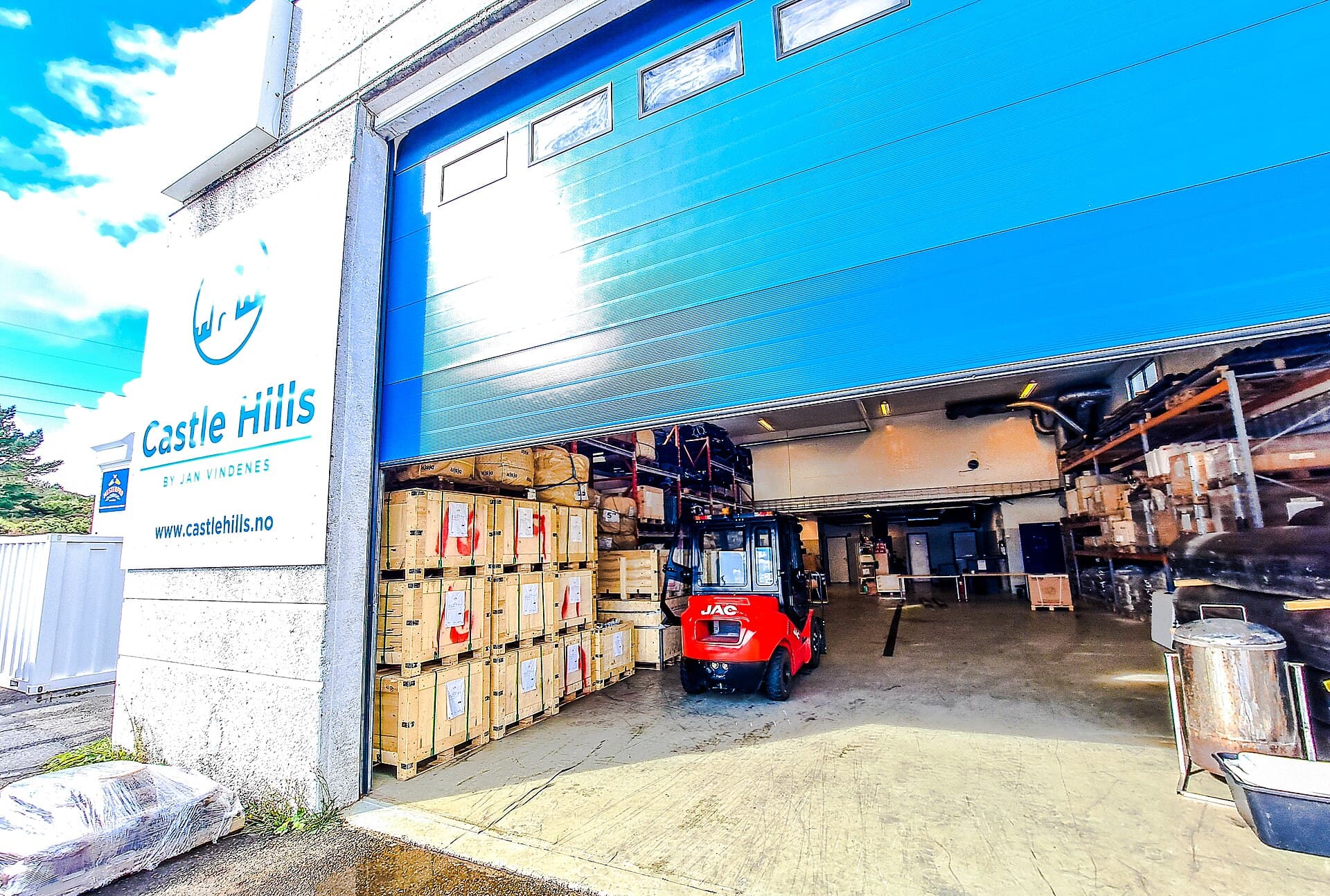
Warehouse and industrial floor care that lasts a forklift week
Concrete dust, oil, ride-on scrubbers, line marking and cold stores decide whether a warehouse floor lasts the week. Food-grade sites and 3PL sheds are not the same specification, even when the machine looks identical.
Ellen Marks · 5 August 2025
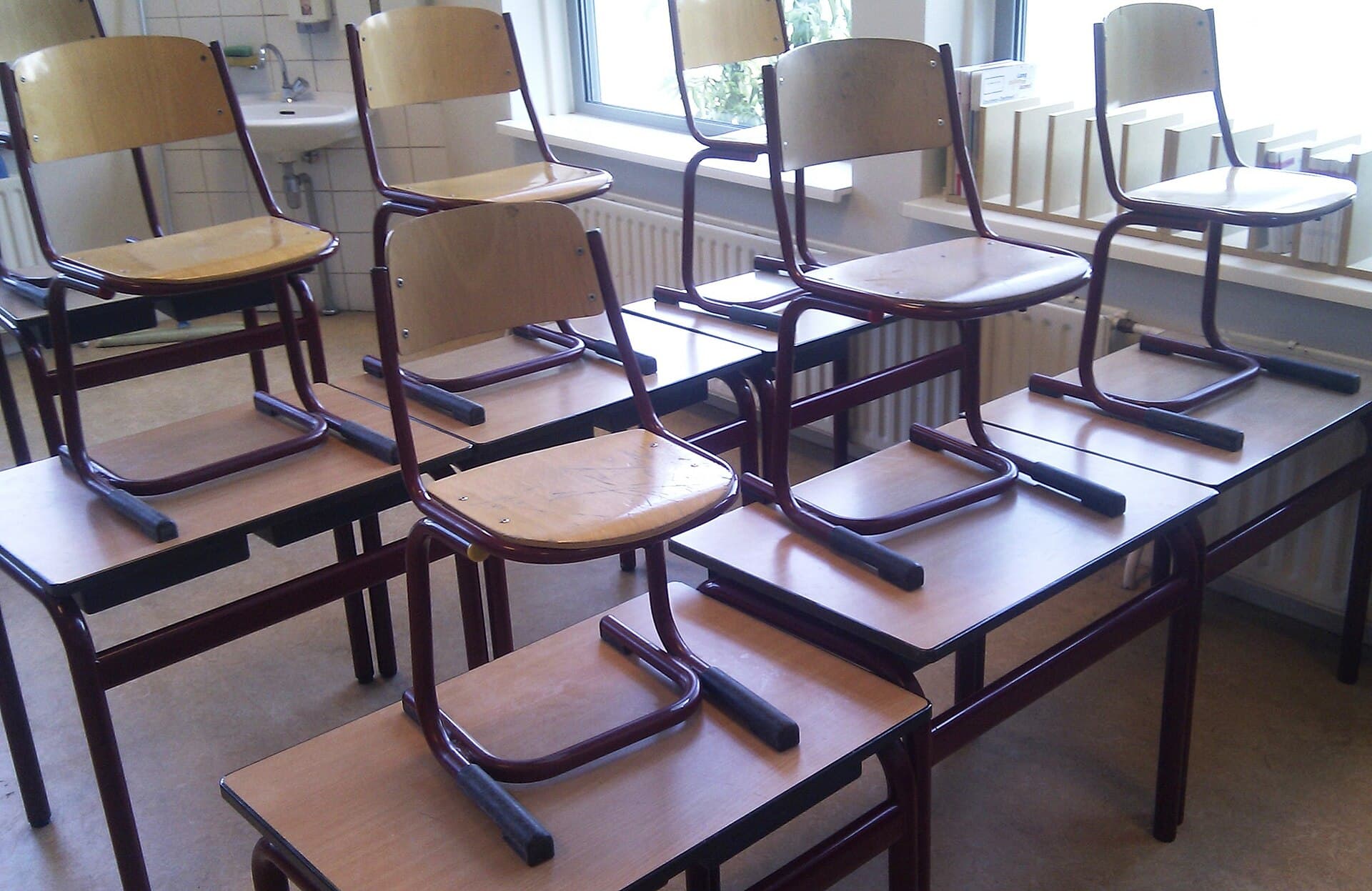
School and university cleaning: term-time versus holiday programs
Term-time cleaning is toilets, traffic and child safety. Holiday programs are strip-and-seal, labs and the work you cannot do while a school is full. Universities add 24-hour libraries and a graffiti problem that does not wait for the holidays.
Ellen Marks · 29 April 2025