The waste a cleaning contract quietly produces
Liners, drums, spent pads and the difference between tenant rubbish and cleaner rubbish. Landfill versus comingled is a bay problem. Weighbridge theatre is a reporting problem.
By James O'Connor · Sustainability editor · 19 August 2025 · Updated 15 March 2026
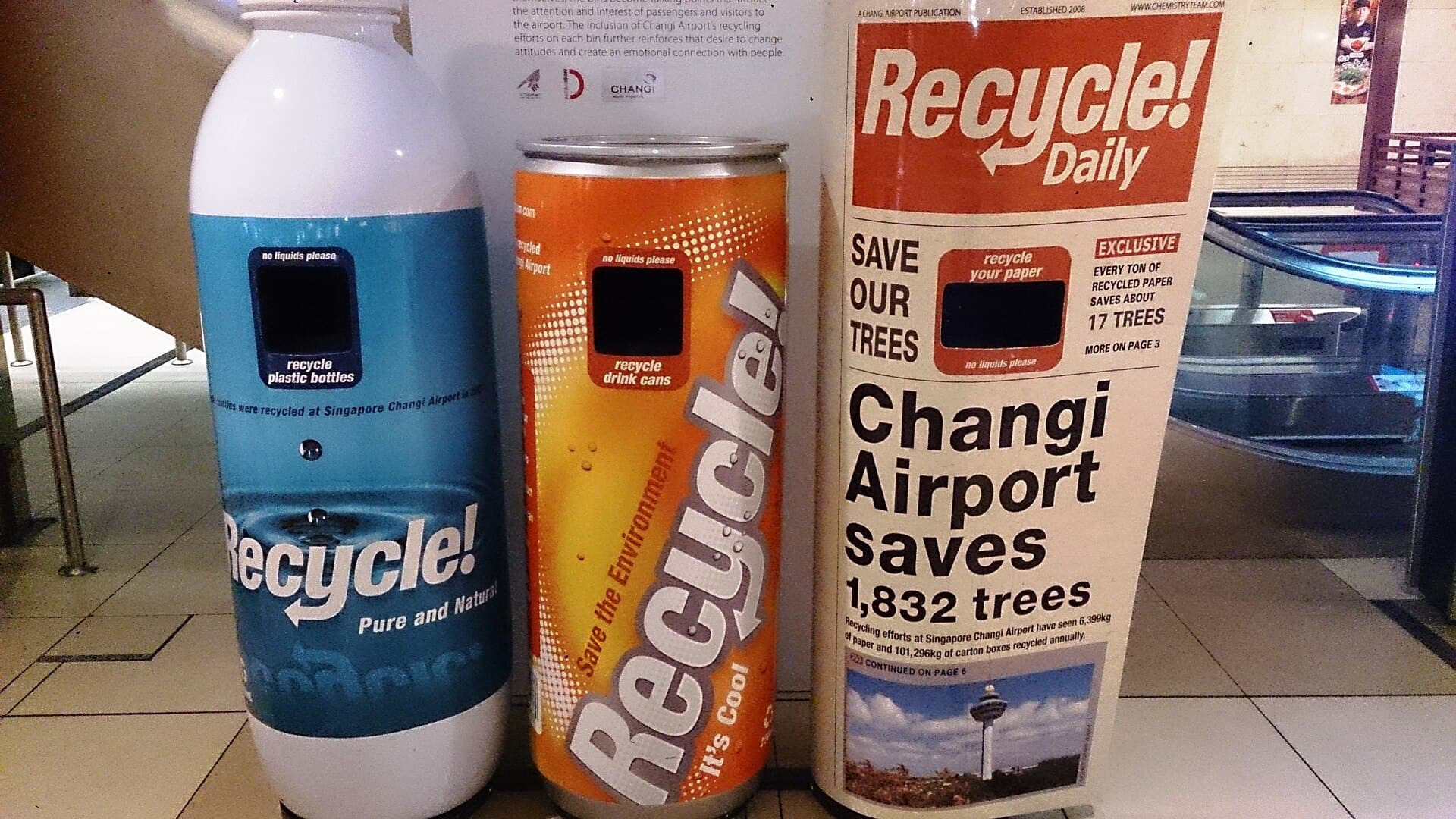
A cleaning contract is a waste business that pretends to be a shine business. Every night a crew carries other people’s cups, paper and food to a bay. They also generate their own stream: liners, chemical drums, spent pads, vacuum bags, gloves, and the odd machine part that will not go in the comingled cage. A tender that only scores “recycling” as a tenant amenity will miss the second stream. A report that folds both into one diversion rate will hide it.
This is a sustainable cleaning problem because the materials leave the building on the contractor’s watch, whether or not they paid for the skip. We are not a waste auditor. We are here to say which bags are yours, which are the occupier’s, and when a weighbridge number has been asked to do more than a docket can support.
The contract produces waste even when the tenancy looks tidy
Occupiers see empty bins and a clear desk. The bay sees the rest. A floor that “looks clean” at 8am has already exported a night of liners. If you only inspect presentation, you will never see the stream.
Split the problem the way the work splits. Tenant waste is what the occupier and their visitors put into the bins the specification says you will empty. Cleaner waste is what the method itself creates. A specification that treats them as one pile will blame the night crew for a banana in the paper, and will give the contractor a free ride on drums they could have returned.
Write the split in the same file as the room schedule. Our piece on writing a commercial cleaning specification is blunt about exclusions. Waste is an exclusion argument waiting to happen if you do not name the streams.
Liners: the quiet landfill stream
Bin liners are the largest cleaner-controlled plastic habit in most office contracts. They are also, often, necessary. A wet tea-point bin, a sanitary service, a nappy bin in a parents’ room, and a dirty-paper towel bin will not thank you for a liner ban. A dry desk bin that is emptied into a larger sack might.
Specify by bin type, not with a slogan. Size the liner to the bin. An 80-litre bag in a 15-litre desk bin is how you buy plastic and still have a bag that will not stay put. Recycled-content liners exist; if you want them, name the use. Clear, tinted and black bags decide whether a comingled bay can be eyeballed or whether someone is hiding landfill in a black sack.
Double-bagging is a finding unless the specification asked for it. So is a tied liner perched on a full bin — that is not emptying, and it is two liners for one job. So is lining a recycling bin in a way that sends the whole unit to landfill because nobody will untie a black bag over a paper cage.
If you want to cut liner use, start with the dry, small, indoor bins and with a wash schedule for the ones you leave naked. A liner ban without a bin wash is how you meet a smell and then a thicker bag.
Chemical drums, decanting and the empty that is not empty
Drums and jerry cans are contractor waste. They are also, until they are empty and rinsed as the SDS allows, a hazardous-chemical problem. An “empty” degreaser drum with a litre in the bottom is not comingled. It is a store item that has not finished its life.
Prefer return, refill or a drum that the distributor will take back. Concentrates reduce drum count if the dosing is real; we argued that in green cleaning certifications. They do not reduce it if every floor has a private stash of ready-to-use bottles filled from a drum with a felt-pen label.
Decanting into food jars, milk bottles and unmarked sprayers is a WHS finding first and a waste finding second. The model WHS duties on a person conducting a business or undertaking do not pause because the sprayer was free. Put the product in a labelled bottle that matches the SDS, or do not decant.
Aerosol cans, if you still allow them, are a stream with a rule. So are disinfectant wipes. So are the gloves that were specified for a chemical task and then worn to empty bins. Write the disposal path next to the product, not in a corporate waste policy the night crew has never seen.
Pads, cloths and the consumable nobody weighed
Spent floor pads, bald microfibre, vacuum bags, dust-bag contents, used mop heads and broken squeegee blades are cleaner waste. They are rarely on the diversion slide. They should be on the waste map.
Pads and cloths can sometimes be laundered longer than they are. They cannot be laundered forever. A reject bag that goes to landfill is honest. A reject bag stuffed into the occupier’s comingled cage is not. Vacuum fines are landfill or a specified dust stream; they are not paper recycling.
Battery waste from cordless machines is not general waste. If the contract uses lithium packs, name the store, the damaged-pack rule and the return path. A swollen pack in a cupboard is a fire story.
Cardboard from consumable deliveries is still the building’s bay. If the contractor brings in towel and soap, they bring in the shipper. Say who flattens it and which cage it goes in.
Tenant waste versus cleaner waste
The night crew did not order the sushi. They should not be the only people blamed when a comingled bin is rejected at the dock.
Occupier duties sit with the people who generate the material and with the person who designed the bin-scape. Desk-side landfill bins and a distant recycling point will produce landfill. A comingled bin with no sign, next to a kitchen, will produce contamination. Cleaners can do a visual check as they empty. They cannot run a recovery facility in a tea point at 10pm.
Write what you expect. Honest rules: empty the streams that exist; do not mix a desk bin into paper; leave obvious contamination in landfill; report a bay that is already a mess. Unreasonable rules: sort a mixed bag into six fractions; guarantee a diversion rate the occupier decides; take fit-out waste that is not in the specification.
Soft plastics, organics and e-waste are only streams if the building has a bay, a collector and a sign. Writing them into a cleaning KPI without a collector is how you get a tidy poster and a skip.
Landfill, comingled and the bay that lies
Australian commercial buildings still live with a simple, bruising split. Landfill. Comingled or source-separated dry recycling. Organics where a service exists. Secure paper where a console has been paid for. The bay decides the truth, not the bin lid on Level 22.
A comingled cage full of liner bags that nobody opens is a landfill cage with better branding. A paper cage with a pizza box is a contamination event waiting for a collector who will reject the lot. Glass and milk bottles in a paper stream are a habit, not a contractor plot.
Walk the bay at the hour the collector comes, and at the hour the night crew leaves. They are different bays. The first tells you what leaves the site. The second tells you what the contract is actually doing. If you only ever see a staged bay on a quarterly tour, you are inspecting a photograph.
Secure destruction is not recycling until the provider says what happens after the truck. It is a privacy control that may end as recycling. Do not score it twice.
Weighbridge theatre
This is the part of the job that produces slides. A contractor or a waste provider quotes a diversion percentage. The number is large. The method is a footnote.
Ask what was weighed, where, and whose material it was. A weighbridge docket for a mixed building skip is a building number, not a cleaning-contract number. An estimate from bin volume is an estimate. A photograph of a tidy cage is not a weight. A corporate figure averaged across sites that do not share a collector is a brochure.
Honest reporting is duller. Site, stream, period, source (docket, count, or estimate — say which), and whether the material was occupier waste, contractor waste or both. If you cannot get that, do not put a percentage in a KPI dashboard. You will manage the number instead of the bay.
Multi-site contracts make the theatre easier. One strong site props up five weak ones in a single slide. Managing a multi-site contractor is partly a waste-data problem: refuse a rolled-up figure you cannot walk.
NABERS Waste and other building tools have their own rules. Use them as written. Do not invent a parallel “cleaning diversion” metric that cannot be reconciled to the same dockets.
What a specification should already say
Waste does not need a manifesto. It needs a map.
Name the streams the crew will handle and the streams they will not. Draw the bay, the rooms, and the after-hours access. Say which bins get liners, which size, and which colour. Say where drums, pads, vacuum fines, batteries and gloves go. Say what “contamination” means at 10pm — leave it, report it, or sort only the obvious cup on top. Say who owns a rejected load. Say what evidence you will accept in a report, and refuse a single percentage without a source.
The Cleaning Services Award 2020 will not write your waste clause. It will remind you that sorting a contaminated bay after the attend is work, and that work is time. If you want a sort, buy the hour.
If you want a test, stand in the bay on a Wednesday after the night shift, before the collector. Open one black bag. Read one drum label. Ask where the spent pads went. Ask to see last month’s docket, not last year’s slide. If those answers are specific, you have a waste contract attached to the cleaning. If they are not, you have shine in the foyer and a story in the skip.
Questions readers send us
- Do cleaners own the tenancy’s recycling rate?
- They own how they handle what they are asked to handle. They do not own a comingled stream a fit-out crew contaminated at lunch, or a desk bin with a banana in it. Write which streams are contractor waste and which are occupier waste, then inspect both without mixing the blame.
- Should we ban bin liners to cut plastic?
- Only in streams where the bin stays clean enough to empty without one, and where the building will wash bins. A liner ban in a wet tea-point bin is how you buy a larger hygiene problem and then a thicker bag. Specify liner size, recycled content if you want it, and which bins may go naked.
- Is a contractor’s diversion percentage a useful KPI?
- Only if you can see the docket, the stream and who generated the material. A single number that mixes tenant cardboard with contractor drums, or that was estimated from a photograph of a bay, is weighbridge theatre. Ask for the source.
Continue in Sustainable cleaning
Water use and microfibre programs that cut chemical load
Colour-coded cloths, a laundry that does not wreck the fibre, and an auto-scrubber that is not a hose on wheels. Microfibre fails on grease and grout. Drought-era building rules still decide what you may pour.
James O'Connor · 15 April 2025
Green cleaning certifications in Australia: which labels survive a tender
GECA is a product ecolabel. ISO 14001 is a management system. A tender that treats them as the same thing will buy a certificate and a trolley that do not match.
James O'Connor · 21 January 2025