Indoor air quality is a cleaning job, not only an HVAC job
Dust reservoirs, vacuum filtration, chemical volatiles and damp after mopping sit on the cleaning side of a building. Plants will not save a tenancy that soils itself every night.
By Claire Nguyen · Facilities editor · 6 May 2025 · Updated 12 March 2026

Indoor air quality has been captured by the mechanical trades, and they are not wrong to want it. Outdoor air rates, filtration grades, humidity and the way a variable-air-volume box behaves on a mild Sydney afternoon decide whether a tenancy feels stuffy. What the mechanical conversation skips is the reservoir. Dust sits on carpet, on lockers, on the top of a partition, in a fabric screen and in the bag of a vacuum that has not been changed since the last area manager visit. Cleaning either removes that reservoir or puts it back into the air.
This is why indoor air belongs in the workplace hygiene hub as well as in the engineer’s log. A facilities manager who only ever issues a work order to HVAC after a complaint will miss the night the carpet was extracted and left wet, and the year nobody high-dusted the supply grille that then blew grey into a meeting room. We are not an indoor-air consultancy. We are here to say which parts of the problem a mop and a vacuum actually own.
The building already has a dust cycle
People walk soil in. Fibres shed. Paper and toner add fines. Skin and clothing add more. The air-handling system moves a fraction of that load to a filter, if the filter is in place and the bypass is not a known joke. The rest settles. Then someone walks the floor, or a vacuum with a split hose exhales, or a dry mop is shaken in a corridor, and the load is airborne again.
High surfaces are not decorative in this cycle. The top of a locker bank, the blade of a diffuser you can reach safely, the exit-sign ledge, the partition top — those are reservoirs. So is carpet, which is why carpet care in a commercial tenancy is an air conversation as well as a make-good one. Soft screens and fabric acoustic panels are worse than people think, because they are rarely on a cleaning schedule at all.
Look at the first supply grille in a tenancy that has not been high-dusted in a year. The grey line on the ceiling around it is not “the air-conditioning”. It is dust the system has been circulating past a dirty face. Wiping the table under it, and not the grille, is how you get a clean table and the same complaint.
Do the high dust on a calendar, with the right access equipment, and tell the engineer when you will do it so they are not chasing a “dirty duct” that is a dirty face. Do not stand on a rolling chair to prove a point about indoor air. Working at height is still a WHS problem when the motive is a white glove.
Vacuum filtration is an air device
A vacuum is the main dry-soil tool in an Australian office. It is also, when it is tired, a particle generator. Bags that have not been changed, filters that have been washed and never replaced, housings that no longer seal, and hoses with splits will move dust from the carpet into the breathing zone of the cleaner and then into the tenancy.
Specify the machine as if it were plant: commercial, intact seals, a stated bag or filter rule, and a spare. If you want HEPA, mean a filter that meets the claim in a machine that holds it. The word on a sticker is not a control. A sealed HEPA system is worth considering in a dusty or sensitive tenancy. It is not a substitute for changing the bag.
The cleaner’s exposure is part of the same sentence. Safe Work Australia’s model WHS framework still expects a person conducting a business or undertaking to manage airborne risks to workers. A night crew member walking through a grey exhaust for four hours is not a footnote to occupant comfort.
Inspect vacuums the way you would inspect a floor machine: open the housing, look at the filter, look at the hose. A gleaming upright with a collapsed bag is an indoor-air finding.
Chemicals, scent and the complaint that arrives as “the air”
Occupants often describe a chemical as air quality. Sometimes they are right. Volatile organic compounds from some cleaners, disinfectants, polishes and air fresheners add a load the HVAC did not design for. A product that is safe when used as the SDS describes can still be a comfort problem if it is over-applied, used in a room with no outdoor air after 7pm, or mixed with a second product because someone wanted it to “smell clean”.
The control is boring and effective. Use the product on the label, at the dilution on the label. Prefer low-odour options where the job does not need a heavy fragrance. Do not use air freshener as a substitute for finding the bin, the drain or the wet carpet. Keep the SDS folder current and in the language the crew can use. If you have committed to a certified product range — GECA is the Australian ecolabel people actually mean — make sure the trolley matches the tender. A green certificate in a submission and a cheap solvent on the floor is how occupants learn to distrust both the contractor and the green cleaning claim.
If your high-touch protocol still assumes a 2021 disinfectant fog in every room, you have an indoor-air problem you wrote yourself. Withdraw it. Bleach has a place in some outbreak and washroom situations. It is not a general office air strategy. If it is on the trolley, it should be on the SDS register and in a method.
Damp after mopping is an air and a slip problem
Hard floors need to be mopped. They do not need to be left in a state that raises humidity in a sealed tenancy overnight. Over-wet mopping, dirty rinse water, and a Friday-night wet clean in a building that shuts down outdoor air until Monday are how you get a Monday smell that people will blame on “the carpets” or “the air-conditioning”.
Write a dry-to-the-touch expectation for occupied paths by the start of the business day, or say that a wet method cannot be used after a stated hour unless drying can be demonstrated. Carpet extraction is the higher-stakes version of the same rule. If you wet a textile floor, you have chosen a drying time. Fans, outdoor air and a building that is actually in occupied mode all help. A shut tower does not. Coordinate with the engineer before you book the truck.
Mop water itself is a reservoir. Change it. A grey bucket walked through a tenancy spreads the tea point onto the reception vinyl and then into the air as it dries.
The plant myth, and talking to the engineer
A row of pots along a glass line will not scrub a tenancy’s air into compliance with anyone’s comfort. The studies people quote in this area were not a licence to skip filtration. Plants can add amenity. They can also add over-watered saucers, fungus gnats and a smell of wet soil that occupants will include in the same email as the stuffy meeting room. If you want plants, budget for their care. That care is not a night-crew add-on unless you specified it.
A scent machine, an ioniser of uncertain pedigree, or a consumer purifier in a boardroom with a closed damper will not replace outdoor air or dust control. If a vendor cannot explain the device in a sentence an engineer would accept, it does not belong in a cleaning specification.
Bring the engineer facts, not a vibe. “People say the air is bad on Level 14” is not a work order. Say which rooms, which time of day, whether the complaint arrived after a wet clean, a new chemical, a fit-out or a change in occupancy, and whether you have already checked the walk-off, the nearest grille, vacuum exhaust and over-wet floors. Then say what you would like them to check: outdoor air to those boxes, filter condition, after-hours set-back, a particular meeting room that always fails at 3pm.
Ask when after-hours set-back starts. A night crew working in a building that has already dropped outdoor air will smell every product more, and will dry a floor slower. If you want extraction on a Thursday, ask whether the plant can be held in a drying mode. Tell them when you will high-dust supply faces so they do not diagnose a duct. Share the chemical list if occupants are complaining about scent. Do not run two contradictory stories — one to the contractor about “the air-con making dust” and one to the engineer about “the cleaners making dust” — and then act surprised when nothing changes. Photograph the reservoir you can see. Assign it.
What the specification should already say
Indoor air does not need its own poem. It needs a few lines that prevent the usual failures: high dust on a dated periodic, including supply faces the crew can reach safely; vacuum standard, filtration and bag or filter changes; no dry-sweeping of fine dust in occupied tenancies; a low-odour product list, SDS location, and a ban on ad-hoc air freshener as a method; drying rules for mopping and restorative floor work; a named contact for coordinating wet work with after-hours plant; walk-off mats as a soil control.
The model WHS duties on a safe work environment include air. They do not write your vacuum clause. Consultation with the people who do the work is how you find out that the only “HEPA” machine has been broken since Easter.
If you want a single test, use Monday morning. Smell the meeting rooms. Look at the first grille, the walk-off, and the mop bucket if it is still on site. If the air complaint you have been sending to the engineer is sitting in those places, you do not have an HVAC mystery. You have a cleaning job specified as shine. Indoor air sits between certified products, high-touch work and the plant room. It will not be solved by a fern. Our editorial standards take the same view of claims that cannot be walked on a Monday.
Questions readers send us
- Can a cleaning contract fix a stuffy meeting room?
- It can remove the dust that the room keeps resuspending, and it can stop adding moisture and scent. It cannot invent outdoor air if the building has shut the damper. Talk to the engineer about the room as well as to the contractor about the table.
- Are plants a reasonable indoor-air control?
- They are a reasonable amenity if someone waters them and the saucers do not go rank. They are not a substitute for filtration, outdoor air or dust control. Treating a pot plant as an engineering control is how a tenancy avoids the conversation it actually needs.
- Should we specify HEPA vacuums in every office?
- Specify a commercial vacuum with intact filtration and a bag or filter change rule first. HEPA is a real standard for filters that meet it; the word on a box is not. A sealed HEPA machine is worth the money in a dusty or sensitive tenancy. A worn domestic upright with a HEPA sticker is not.
Continue in Workplace hygiene
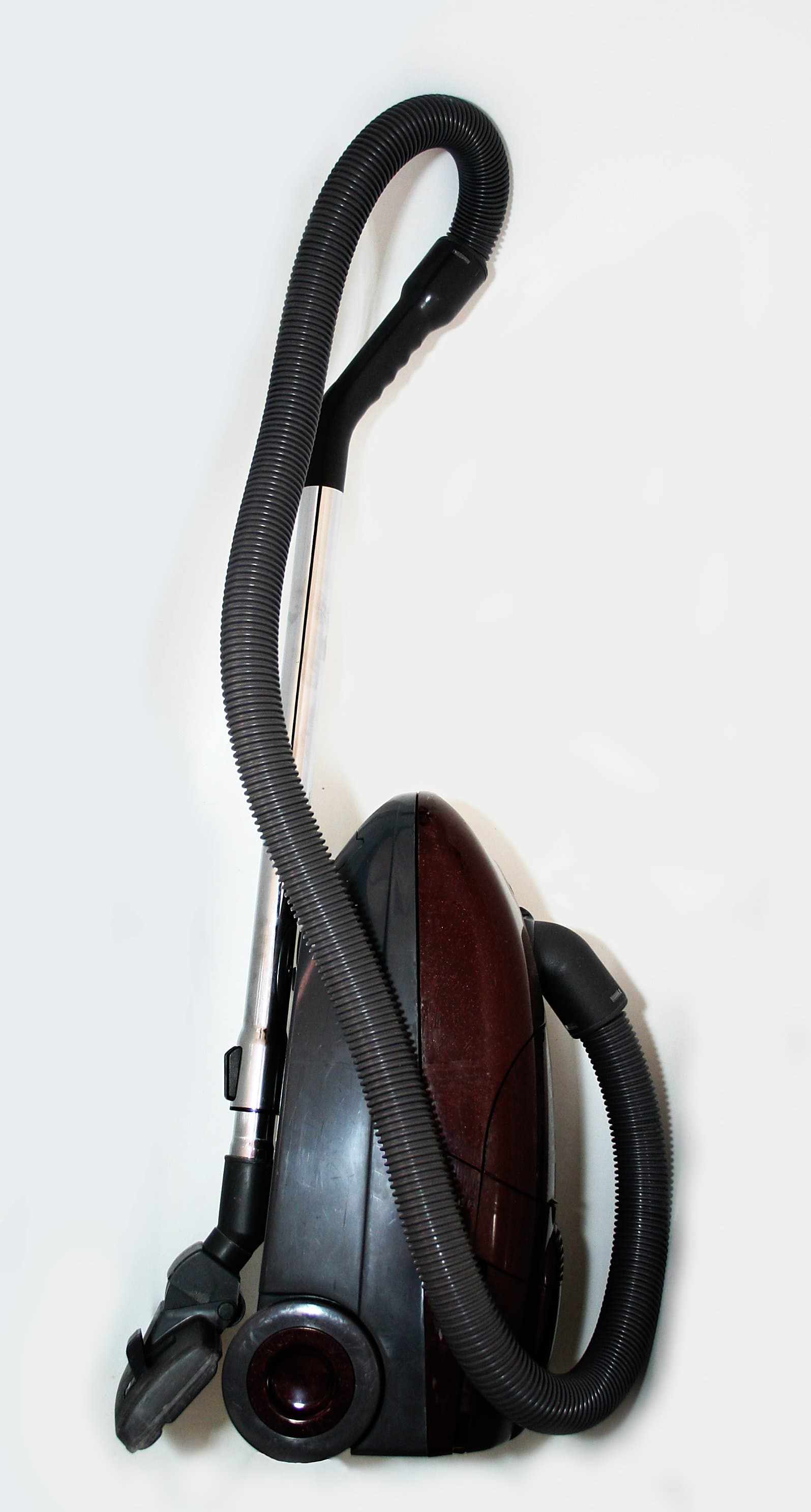
The real cost of tired carpet in a commercial tenancy
Appearance is a lagging indicator. Vacuum frequency, soil load, interim and restorative cleaning, AS/NZS 3733 and lease make-good decide whether a floor is maintained or quietly written off.
Claire Nguyen · 8 April 2025
High-touch surface protocols that survive a real Australian workplace
Lifts, door furniture, meeting rooms and shared keyboards need a protocol people will still follow on a wet Wednesday, not a laminated leftover from 2021. Dwell times, colour-coding and the limits of an alcohol wipe.
Claire Nguyen · 11 March 2025
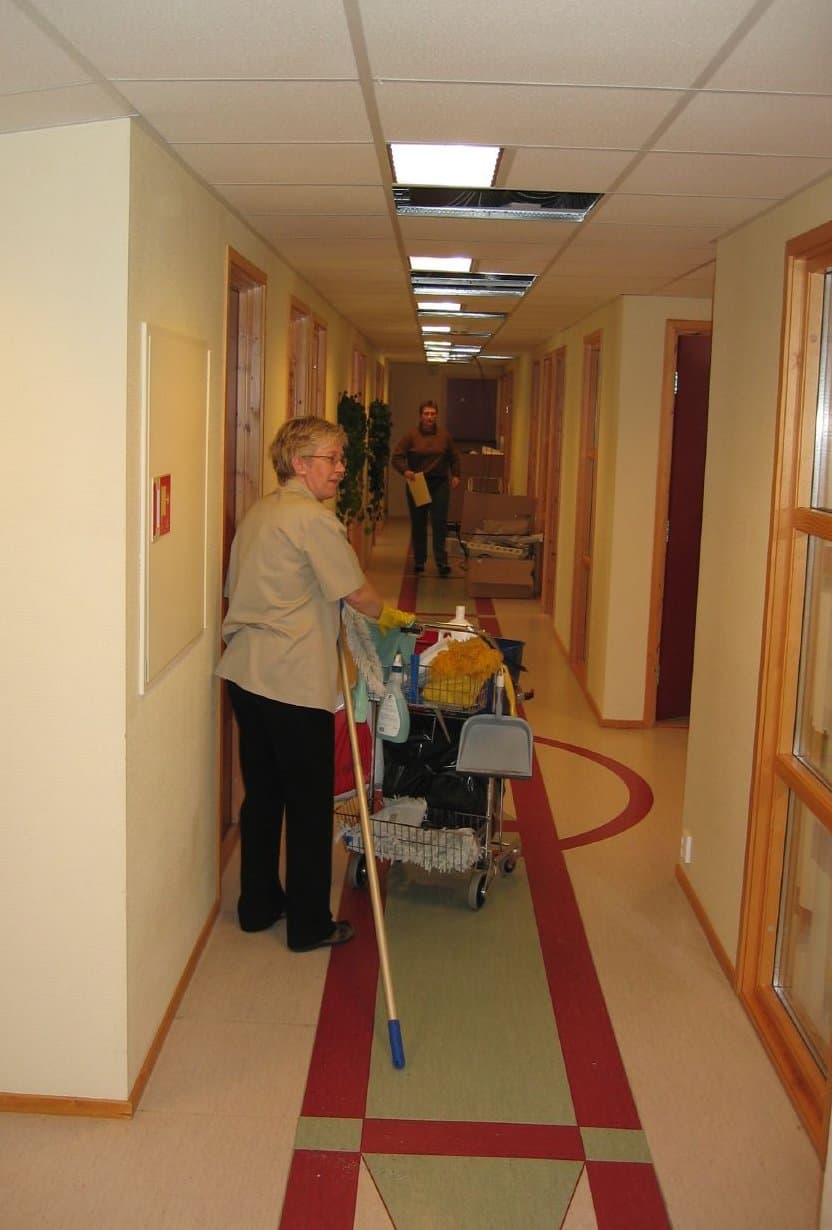
After-hours office cleaning: what a facilities manager should actually inspect
A foyer walk at 8am is not an inspection. This is a practical route through kitchens, washrooms, glass, bins, high dust, security and the conversation you should have with the night supervisor.
Claire Nguyen · 4 February 2025